Activity
10,000 steps? The number is softer than you think.
Ten thousand steps is everywhere — but the research points to a range, not a target, and it depends on your age.
By Mana4 min read

More steps is better up to a point — around 6,000–8,000 a day for adults over 60, and 8,000–10,000 for younger adults. How many you take matters more than how fast.
A round number, not a finding
Ten thousand steps a day is printed on packaging, set as a default in apps and repeated as if it were a rule. But as the authors of the largest analysis of steps and mortality put it, although it’s widely promoted, there is little evidence to support that specific recommendation.
That doesn’t mean walking more isn’t worth it. It means the useful question isn’t whether you hit a round number — it’s roughly where the benefit is, and where it starts to level off.[1]
What 47,000 people showed
A 2022 meta-analysis in The Lancet Public Health pooled 15 studies covering 47,471 adults, followed for a median of seven years. Compared with the least active quarter — who took a median of about 3,500 steps a day — people taking around 5,800 steps had a hazard ratio for death from any cause of 0.60, around 7,800 steps 0.55, and around 10,900 steps 0.47.
The benefit kept growing with more steps, but not forever. For adults aged 60 and over, risk stopped falling at about 6,000–8,000 steps a day; for adults under 60, at about 8,000–10,000.[1]
Steps · this week
8,386a day
Most days inside the plateau band
Count matters more than speed
A separate study in JAMA followed 4,840 US adults aged 40 and over who wore an accelerometer for up to a week. Compared with 4,000 steps a day, taking 8,000 was associated with a hazard ratio for all-cause mortality of 0.49, and 12,000 with 0.35.
Walking faster didn’t add a clear benefit once total steps were taken into account. The Lancet analysis found something similar: the link between stepping rate and mortality weakened once the number of steps was accounted for. For most people, more walking beats faster walking.[2][1]
Steps are one part of the picture
Steps are easy to count, but they aren’t the whole recommendation. The World Health Organization’s 2020 guidelines advise adults to get 150–300 minutes of moderate-intensity activity a week, or 75–150 minutes of vigorous activity, plus muscle-strengthening activity — and to sit less. Their core message: some activity is better than none, and more is better.
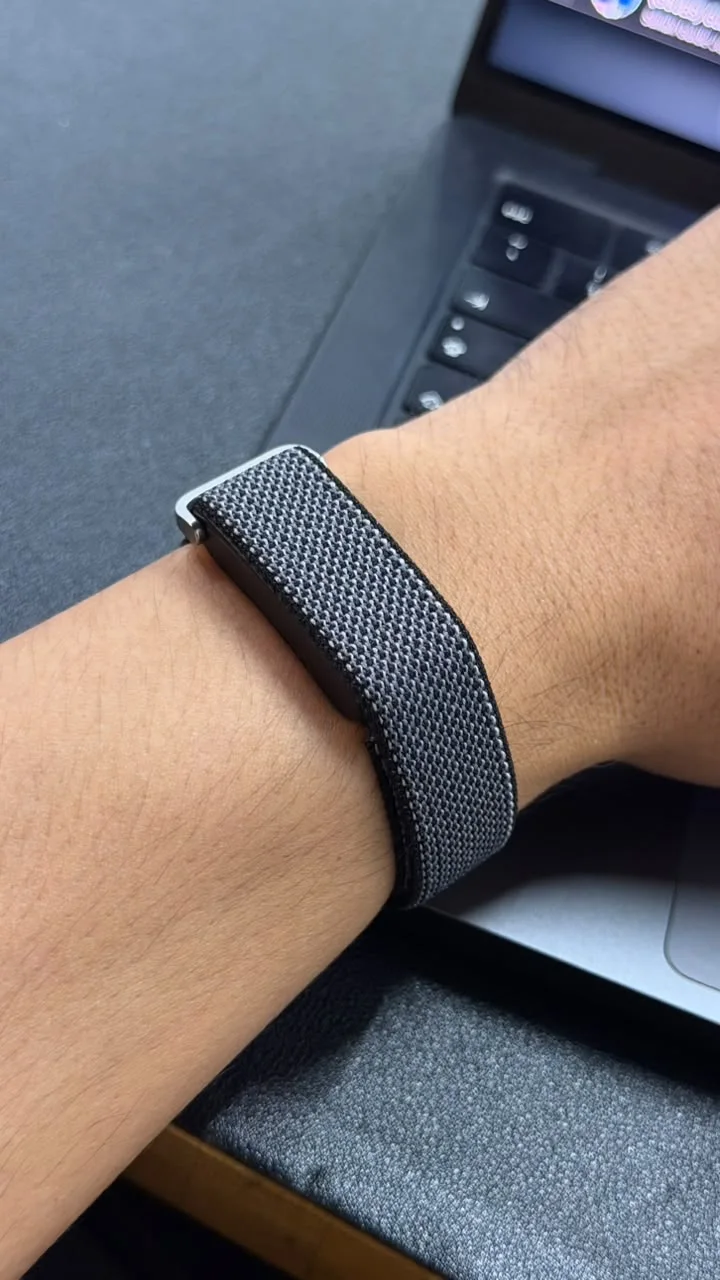
Mana is designed to count steps and active minutes and show them by the week, so a quiet Monday and a long Saturday even out — and so you can see whether you’re in the range that the research points to, rather than chasing a single number.[3]
References
The sources behind the figures in this article. Interpretation and advice are our own.
- 1Paluch AE, Bajpai S, Bassett DR, et al. Daily steps and all-cause mortality: a meta-analysis of 15 international cohorts. The Lancet Public Health, 2022; 7(3): e219–e228. Read source
- 2Saint-Maurice PF, Troiano RP, Bassett DR, et al. Association of Daily Step Count and Step Intensity With Mortality Among US Adults. JAMA, 2020; 323(12): 1151–1160. Read source
- 3Bull FC, Al-Ansari SS, Biddle S, et al. World Health Organization 2020 guidelines on physical activity and sedentary behaviour. British Journal of Sports Medicine, 2020; 54(24): 1451–1462. Read source
General information, not medical advice. Mana is in development and isn’t intended to diagnose, treat or prevent any condition. If you’re concerned about your health, talk to a doctor.