Signals
Your body often knows before you do.
When you’re coming down with something, it can show up in your resting heart rate and skin temperature days before you feel it.
By Mana5 min read
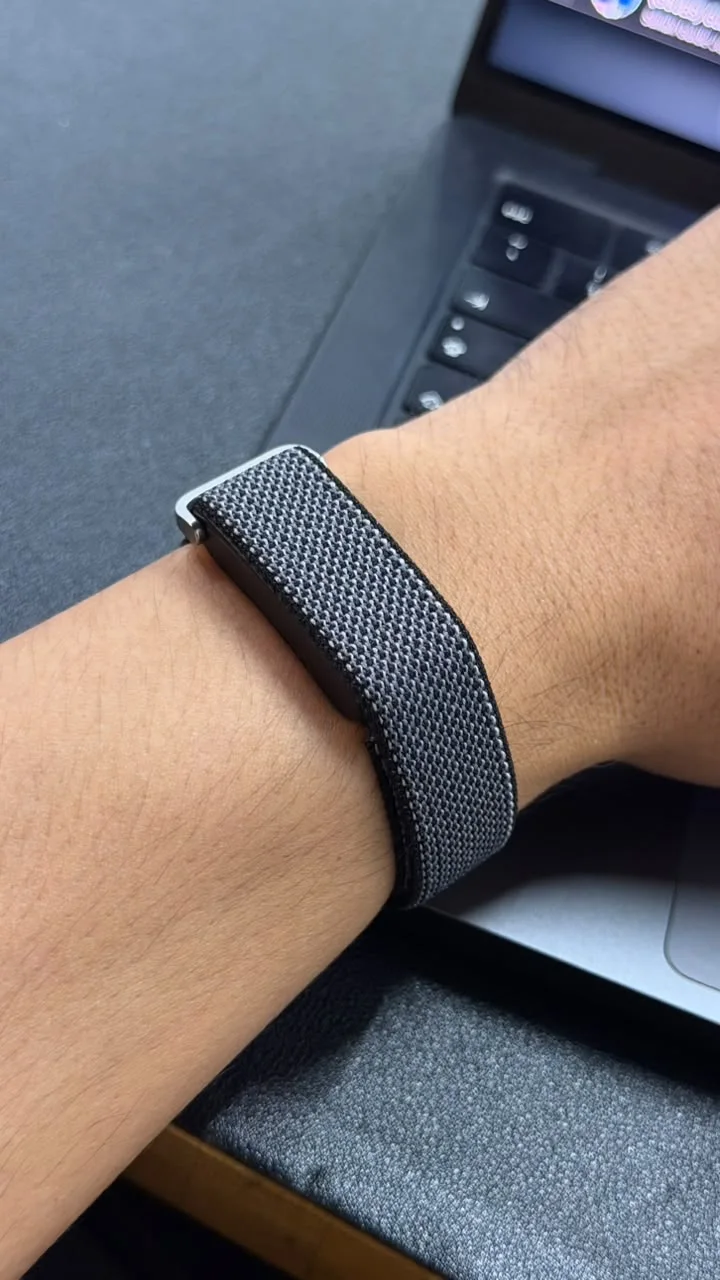
In research with consumer wearables, resting heart rate and skin temperature often rose above a person’s own baseline before symptoms appeared. It’s a reason to rest and pay attention — not a diagnosis.
The quiet shift
Getting ill rarely starts with the first sneeze. Before you notice anything, your body is often already responding — and some of that response shows up in numbers a band can see: a resting heart rate that creeps up, a slightly warmer wrist at night, a restless sleep.
During the COVID-19 pandemic, researchers had a rare chance to test this at scale, using the consumer watches and rings people were already wearing. Their findings are a good guide to what this kind of signal can and can’t tell you.
Heart rate, days early
A 2020 study in Nature Biomedical Engineering analysed smartwatch data from a cohort of nearly 5,300 people, 32 of whom were infected with COVID-19. In 26 of them — 81% — heart rate, daily steps or time asleep had changed. Of the 25 cases with symptom information, 22 were detected before or at the start of symptoms, four of them at least nine days earlier.
Looking back at the data, the authors estimated that 63% of cases could have been flagged before symptoms in real time, using alerts based on unusually high resting heart rate compared with each person’s own baseline.[1]
Resting HR + skin temp
+7bpm vs normal
Rose two days before symptoms
Temperature, from the skin
The TemPredict study collected continuous skin temperature from a commercial wearable. In its first 50 people who reported COVID-19, illness-related rises in temperature were visible in the data and lined up with self-reported fever — supporting the idea that wearables can pick up illness even when it hasn’t been recognised yet.
Combining signals helps. In a study of more than 30,000 people, sensor data alongside self-reported symptoms told apart positive and negative COVID-19 cases better than symptoms alone, with an area under the curve of 0.80 compared with 0.71.[2][3]
A nudge, not a diagnosis
These were research studies, some of them small, and focused on one illness. A raised resting heart rate can just as easily come from a late night, a few drinks, stress or a hard training block — which is exactly why comparing with your own baseline, and looking for several signals moving together, matters.
That’s how Mana is designed to approach it: watch your resting heart rate and skin temperature against your normal, and when they shift together, suggest you take it easy. It won’t tell you what you have. If you feel unwell or are worried, get tested or talk to a doctor.
References
The sources behind the figures in this article. Interpretation and advice are our own.
- 1Mishra T, Wang M, Metwally AA, et al. Pre-symptomatic detection of COVID-19 from smartwatch data. Nature Biomedical Engineering, 2020; 4(12): 1208–1220. Read source
- 2Smarr BL, Aschbacher K, Fisher SM, et al. Feasibility of continuous fever monitoring using wearable devices. Scientific Reports, 2020; 10: 21640. Read source
- 3Quer G, Radin JM, Gadaleta M, et al. Wearable sensor data and self-reported symptoms for COVID-19 detection. Nature Medicine, 2021; 27(1): 73–77. Read source
General information, not medical advice. Mana is in development and isn’t intended to diagnose, treat or prevent any condition. If you’re concerned about your health, talk to a doctor.